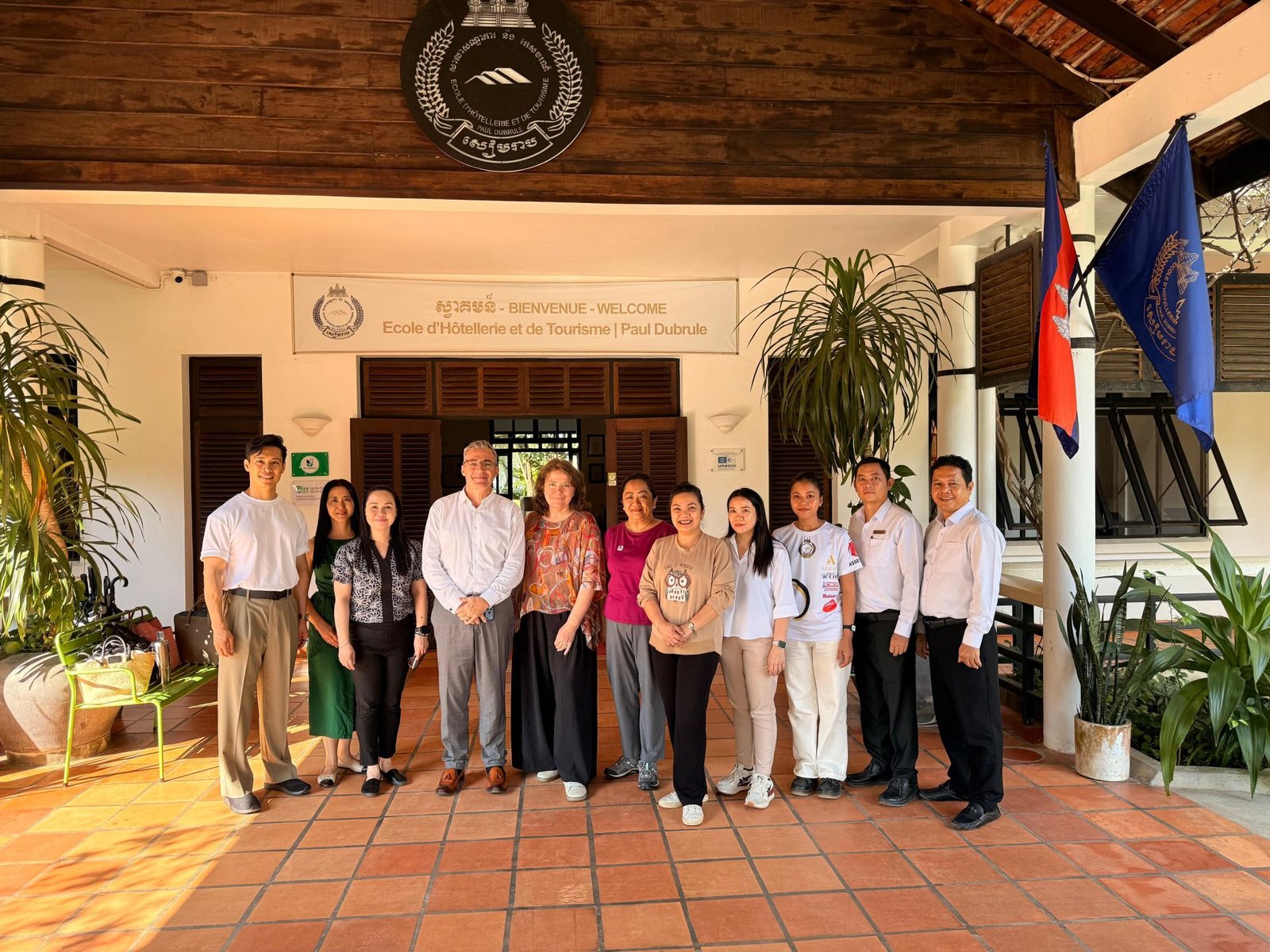
From September 30 to October 2, 2026, Iloilo Science and Technology University (ISAT U) joined global partners in the UNESCO-UNEVOC Co-Action Initiative 2026, in a three-day Training of Trainers program. The activity, which was held on September 30 to October 2, 2026, was hosted by the École d’Hôtellerie et de Tourisme (EHT) Paul Dubrule.
Together with the Education University of Hong Kong (EduHK), the event highlighted sustainability, inclusion, and innovation in Technical and Vocational Education and Training (TVET). The opening day featured a training workshop on Sustainability led by Ms. Claudia Killick – Faculty member of EHT Paul Dubrule. Delegates conducted sustainability diagnostics for their institutions and were encouraged to integrate findings into their annual action plans. EHT Paul Dubrule showcased its pioneering practices, including a zero single-use plastic policy, weekly vegetarian meals, canteen waste monitoring, energy efficiency competitions, bird conservation, and bicycle use promotion. Waste management data on compost, food, rice, plastics, paper, glass, and metals was also presented, underscoring the school’s holistic approach. Director François Schnoebelen further introduced the Cambodian model for hospitality and tourism in TVET, emphasizing inclusion, sustainability, and insertion into employment as pillars of effective training. In the afternoon, delegates visited Beyond Sight Café and Bakery, a social enterprise empowering blind and visually impaired youth through bread-making, Braille literacy, and inclusive services.
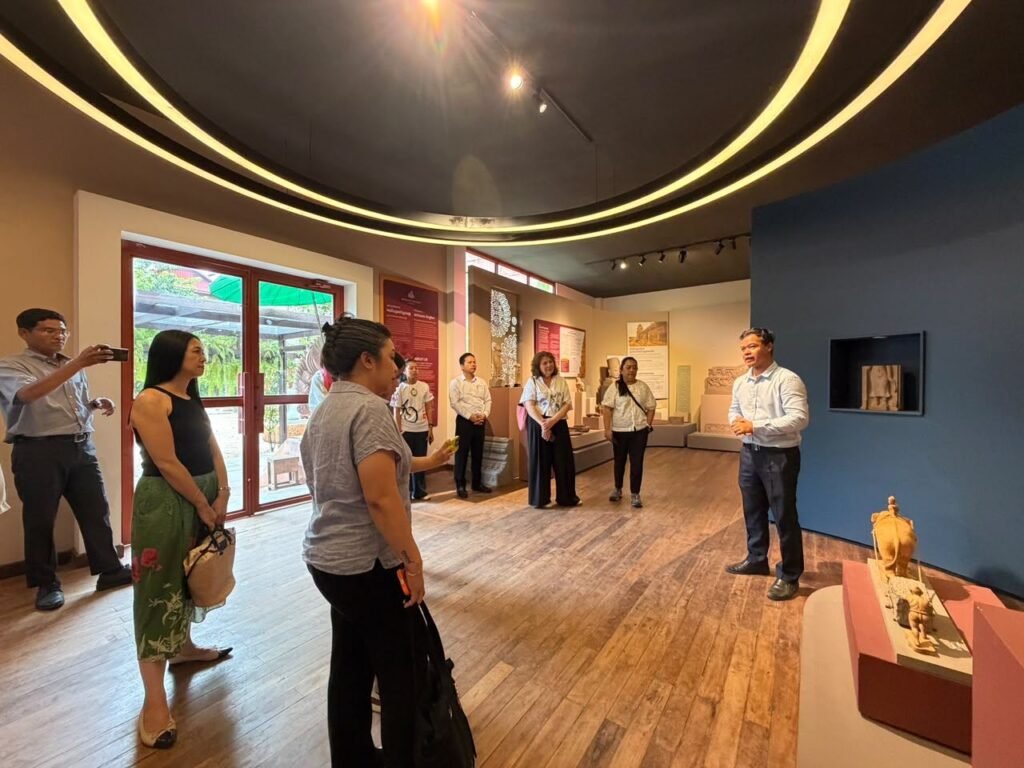
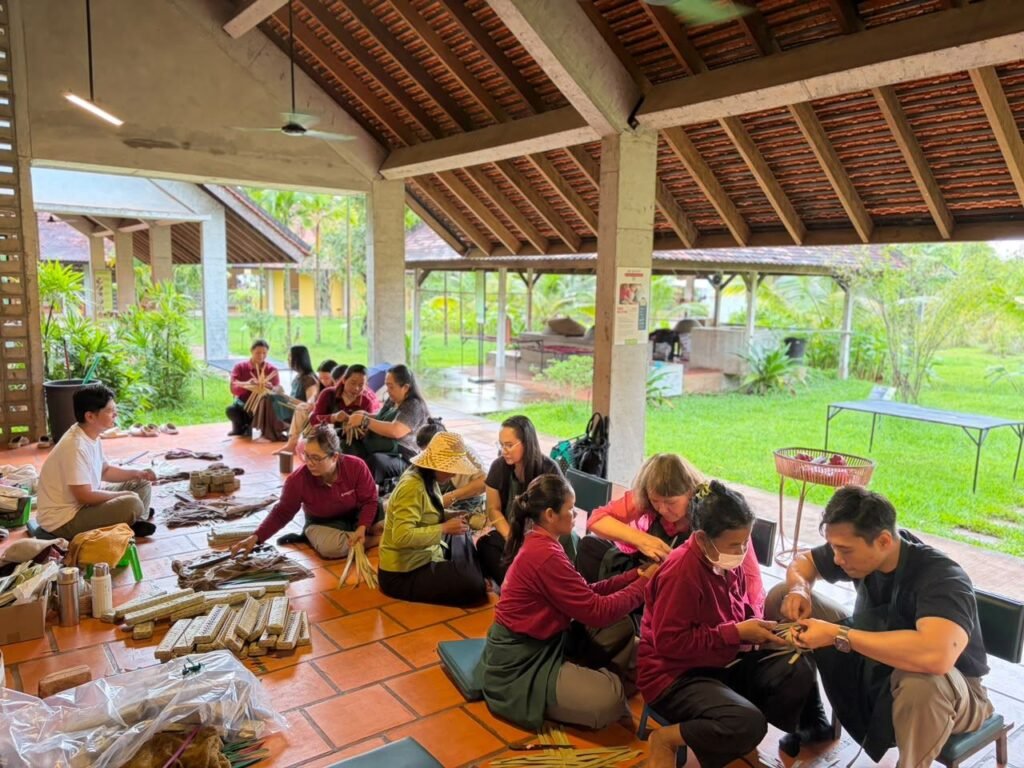
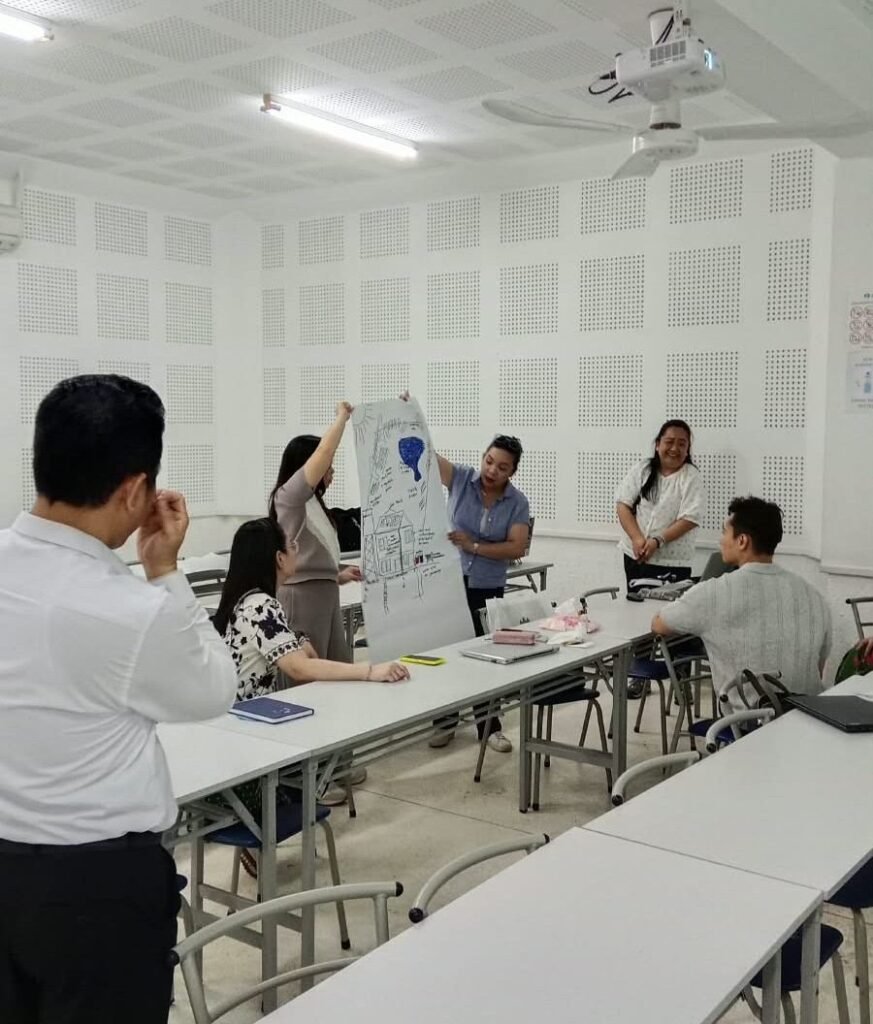
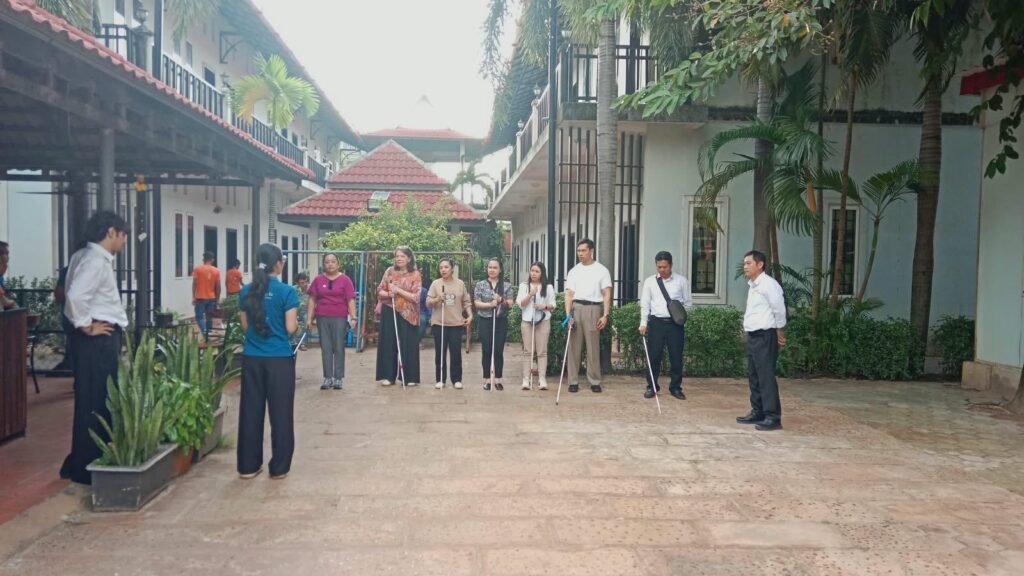
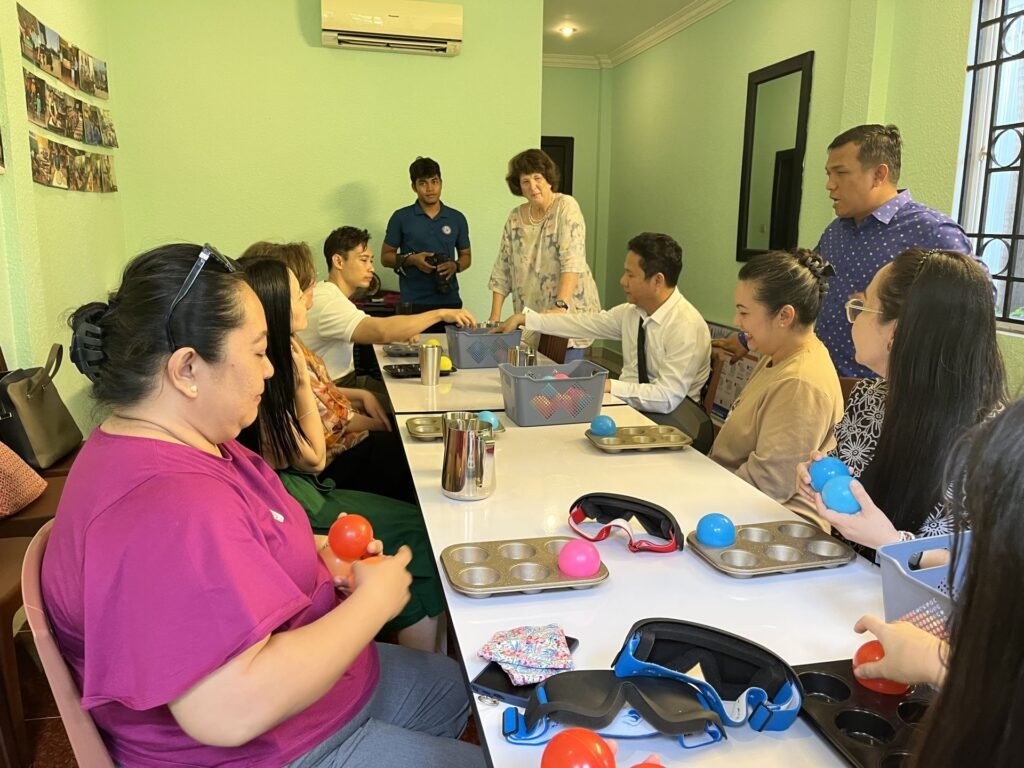
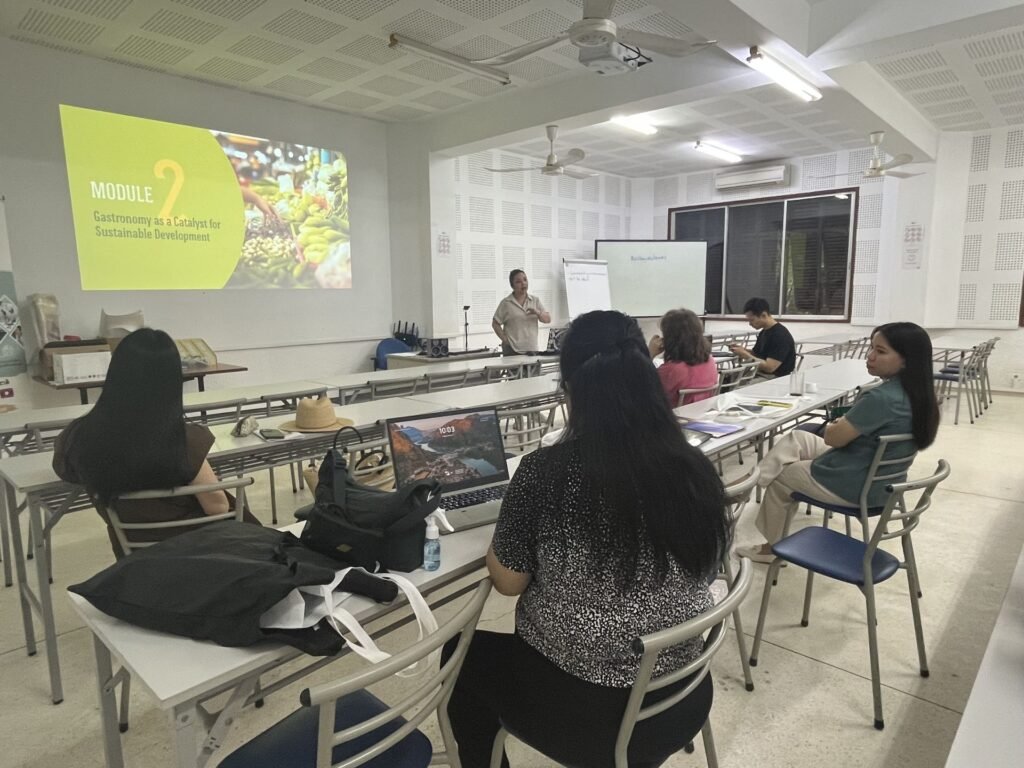
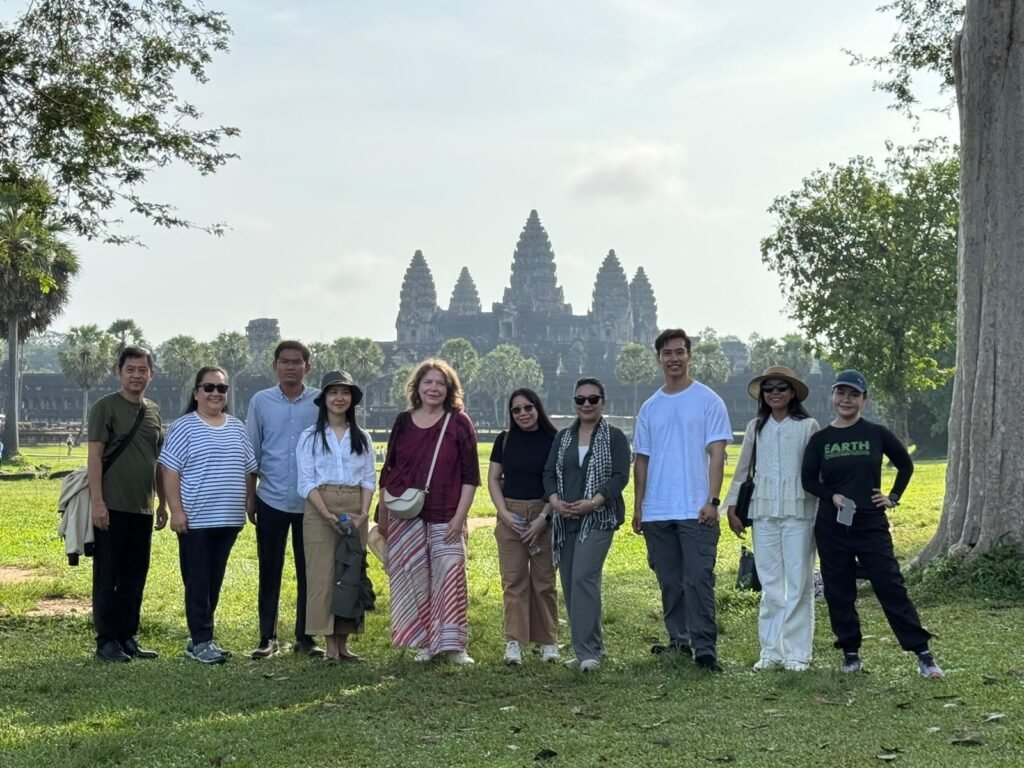
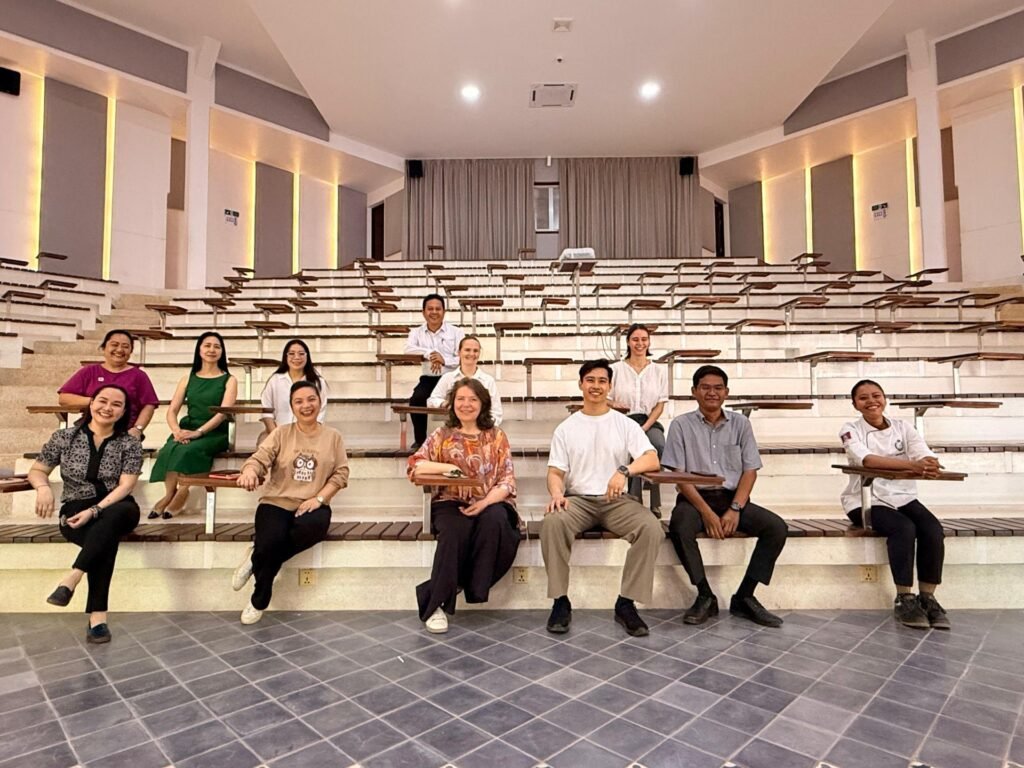
On the second day, Dr. Margarita Pavlova – UNESCO-UNEVOC Director at EduHK, presented the GERI Framework, a tool for assessing TVET institutions’ readiness for green transformation. She also introduced the “Building Green Mindsets through Concept-Based Curriculum” module, stressing the importance of Generic Green Skills (GGS) such as climate action planning and sustainable and inclusive education. Delegates engaged in hands-on activities, identifying green skills across occupations and practicing ESD pedagogical strategies to integrate sustainability into teaching. The collaborative exercises highlighted the growing demand for educators who can embed green mindsets in diverse learning contexts, which highlights inclusivity.
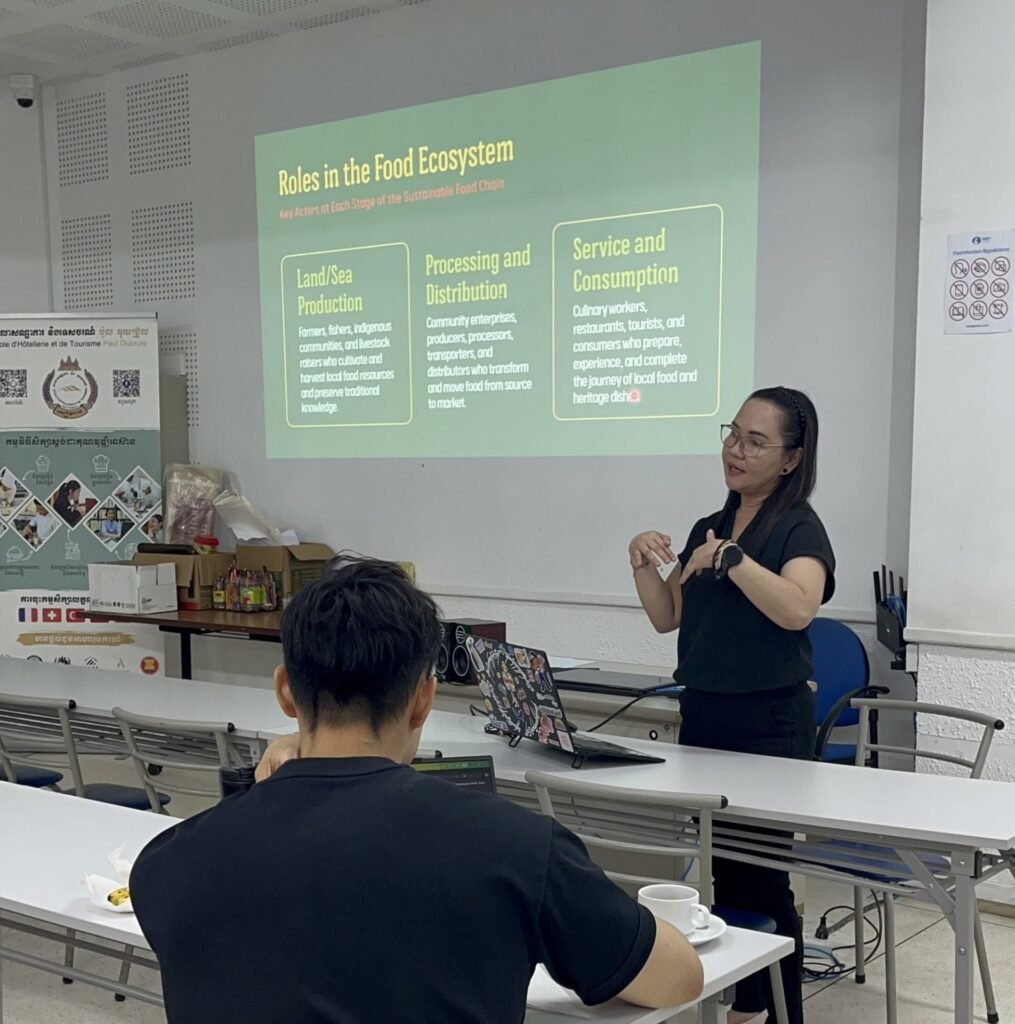
The final day spotlighted ISAT U’s leadership through the module “Kaon Ta! Sustainable Tourism through Gastronomy”, presented by Dr. Mona Luisa de Guzman- CGBE Faculty, Ms. Ageline Basco – CGBE NIA Coordinator, Dr. Dessa Quinto – CAS NIA Coordinator, and Ms. Jieza Napone – Director, National and International Affairs. The four-part module explored: Foundations of Philippine and Ilonggo Gastronomy; Gastronomy as a Catalyst for Sustainable Development; Ecosystems of Engagement Linking Stakeholders, Food Systems, and Climate Action; and Guardians of Gastronomy, Emphasizing Heritage Preservation. A workshop on culinary heritage mapping capped the session, underscoring the importance of documenting traditional dishes to safeguard cultural identity while promoting sustainable tourism. The Cambodia Training of Trainers demonstrated how sustainability, inclusion, and innovation can be embedded into TVET. From Cambodia’s hospitality model and EduHK’s green skills framework to ISAT U’s pioneering gastronomy module, the initiative showcased diverse pathways toward a future-ready, sustainable education system.
Jieza J. Napone, LPT, MAEd Siem Reap, Cambodia