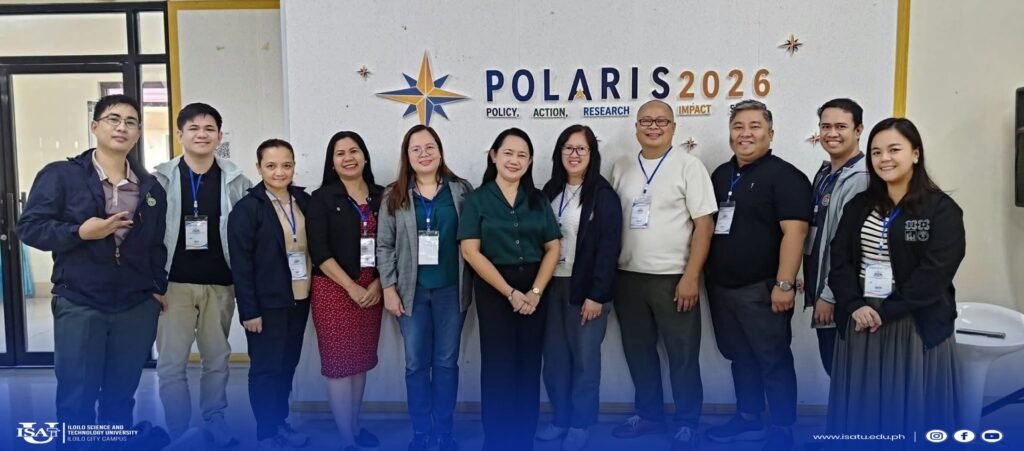
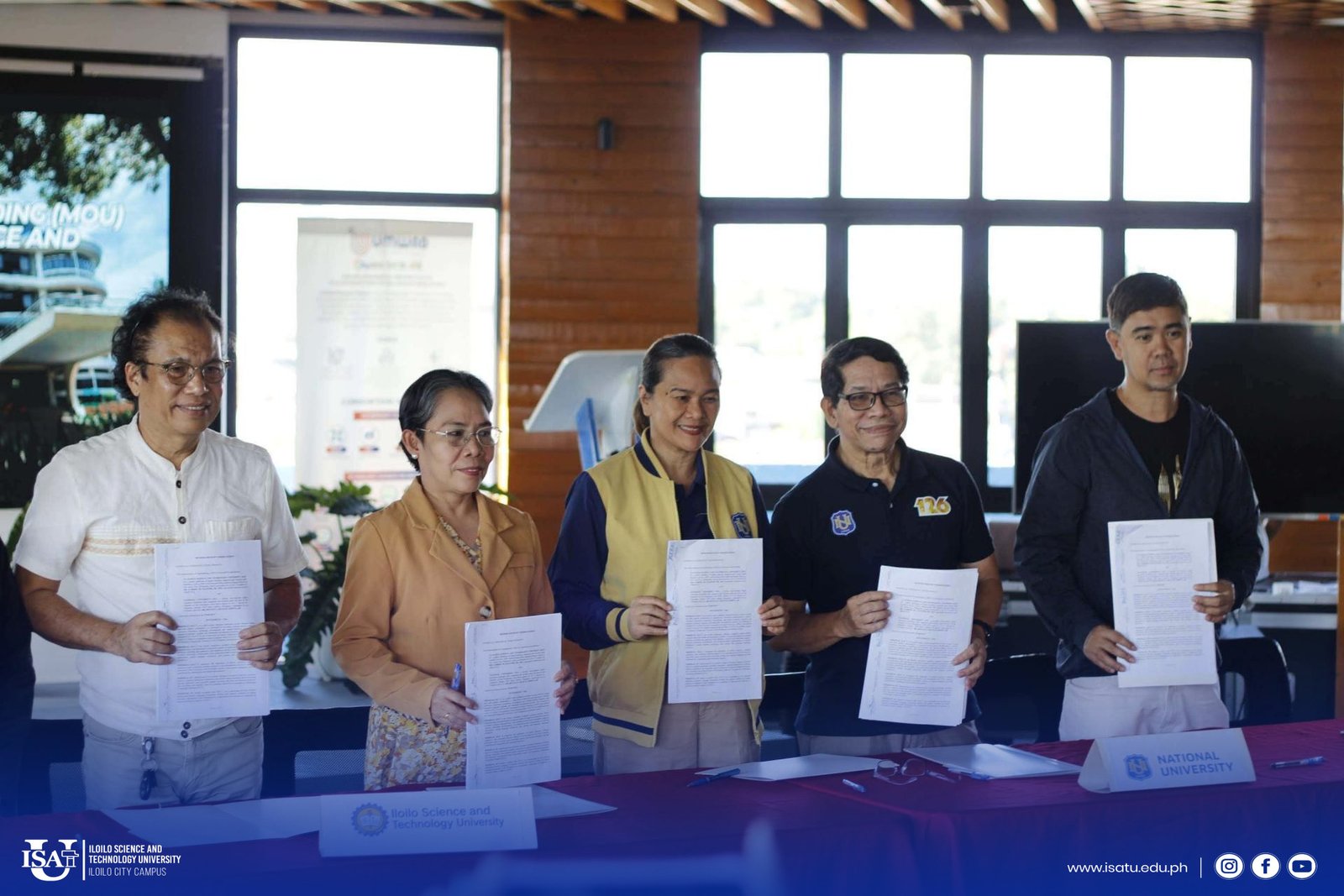
Iloilo Science and Technology University (ISAT U) and National University (NU) have strengthened their institutional collaboration through the signing of a Memorandum of Understanding (MOU) on November 4, 2026, at the Regional Innovation Hub (iHub), ISAT U Main Campus, paving the way for advancements in artificial intelligence-driven public health surveillance.
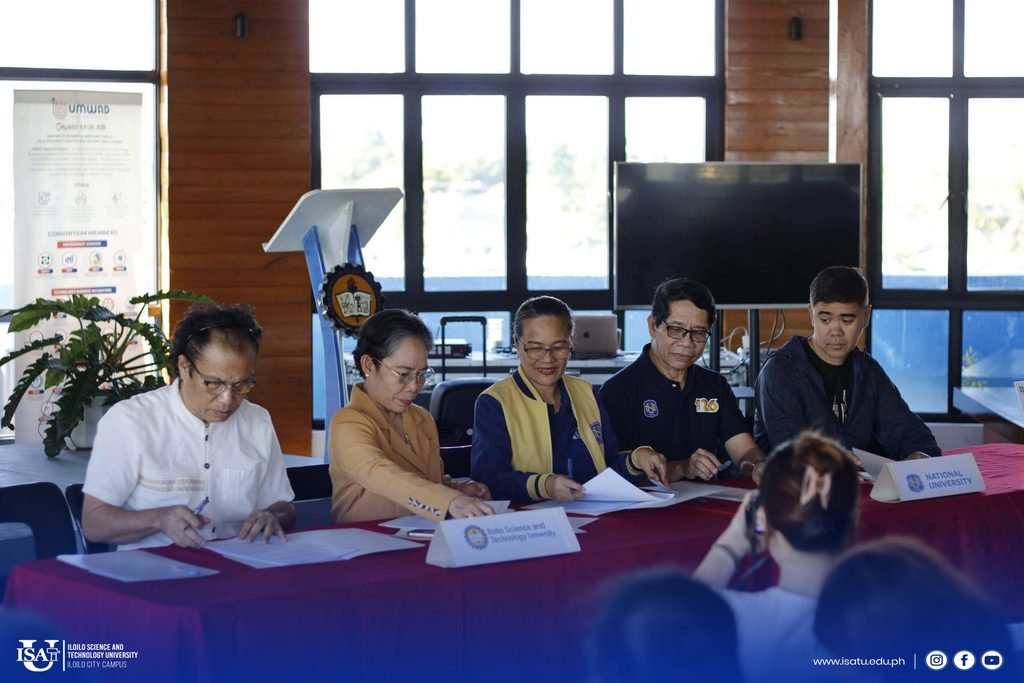
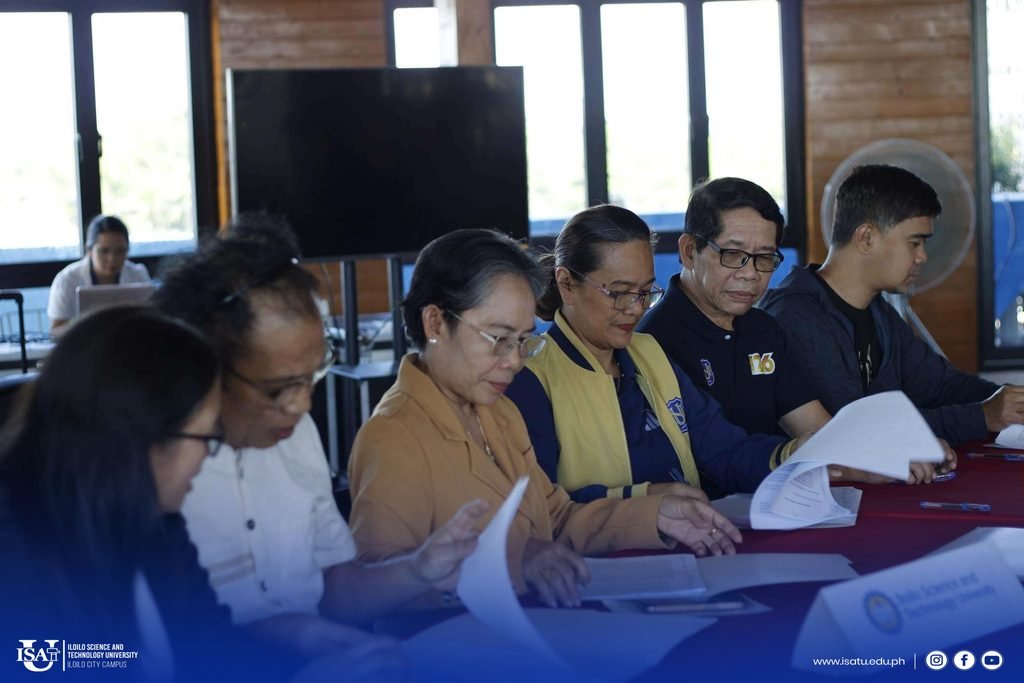
The partnership supports the DOST-NICER-funded HealthPH+ Project, which utilizes Artificial Intelligence (AI) and Natural Language Processing (NLP) to develop an AI-powered respiratory disease surveillance platform. The initiative aims to harness emerging technologies in strengthening disease monitoring and addressing public health concerns through innovative, data-driven solutions.
During the MOU signing ceremony, Dr. Carmelo V. Ambut, Vice President for Research and Extension of ISAT U, underscored the importance of translating research outputs into practical applications that generate lasting benefits for communities. He emphasized that the value of research extends beyond academic publications and should ultimately contribute to addressing real-world challenges.
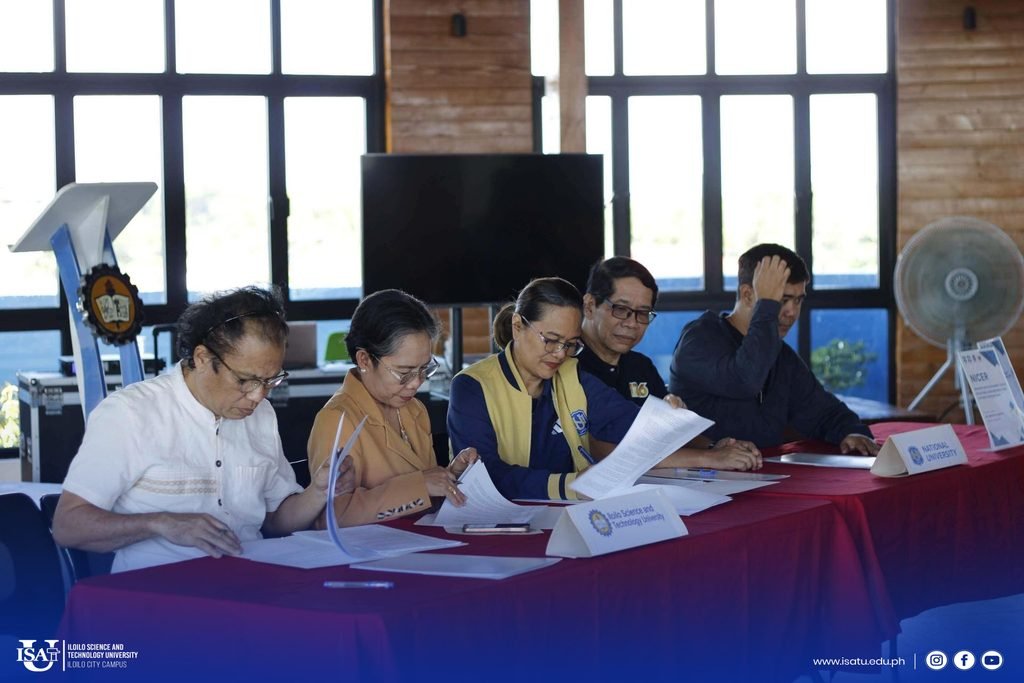
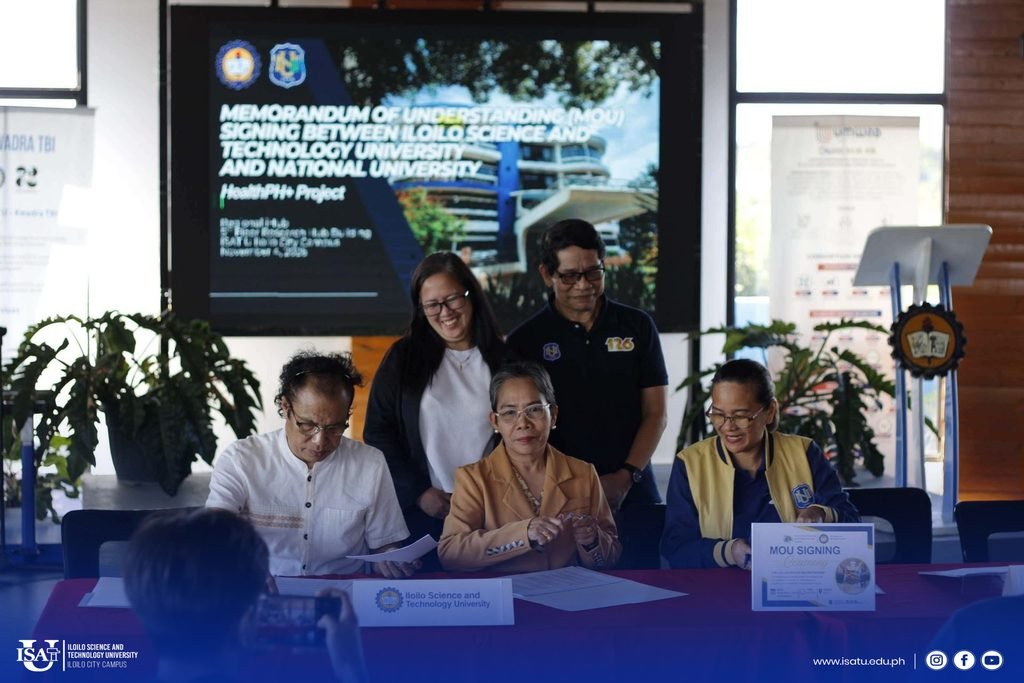
Representing ISAT U President Dr. Gabriel M. Salistre, Jr., Dr. Corazon C. Corbal, Vice President for Academic Affairs, reaffirmed the University’s commitment to fostering research partnerships that promote innovation, collaboration, and the development of emerging technologies.
Meanwhile, Dr. Marilen F. Pacis, HealthPH+ Project Leader, highlighted the significance of technology transfer, actual utilization, and continuous feedback from end-users in improving the platform and ensuring its responsiveness to real-world public health needs.
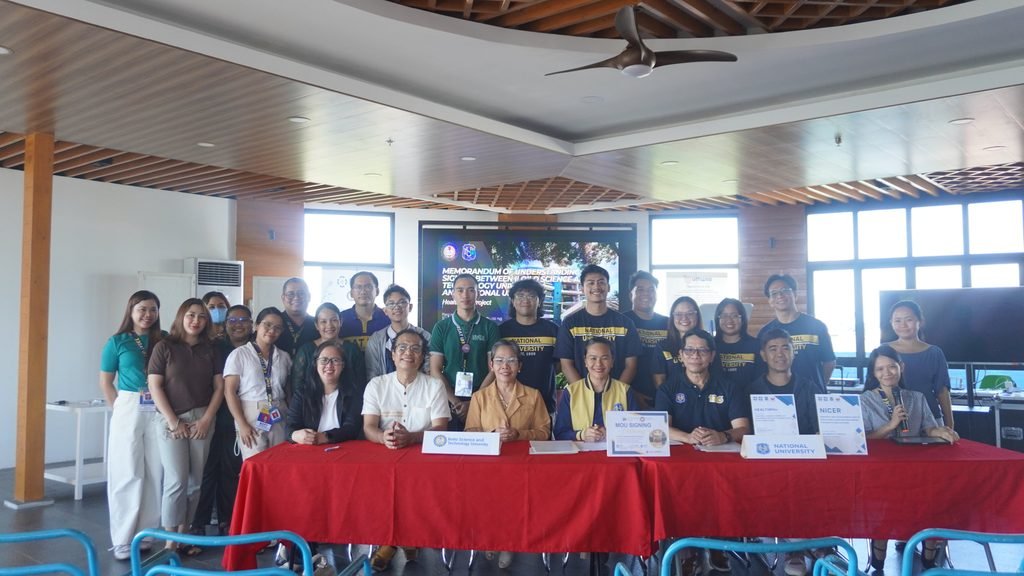
The collaboration marks another milestone in ISAT U’s continuing efforts to strengthen research and innovation through strategic partnerships. By bridging research, technology development, technology transfer, and community application, ISAT U and NU seek to transform research outputs into practical technological solutions that can help address emerging public health challenges.
Through this partnership, both institutions reaffirm their shared commitment to advancing technology-driven research and promoting innovations that contribute to a healthier and more resilient society